How to Play DreamEcho
The full night cycle from Home to dream combat to Memories.
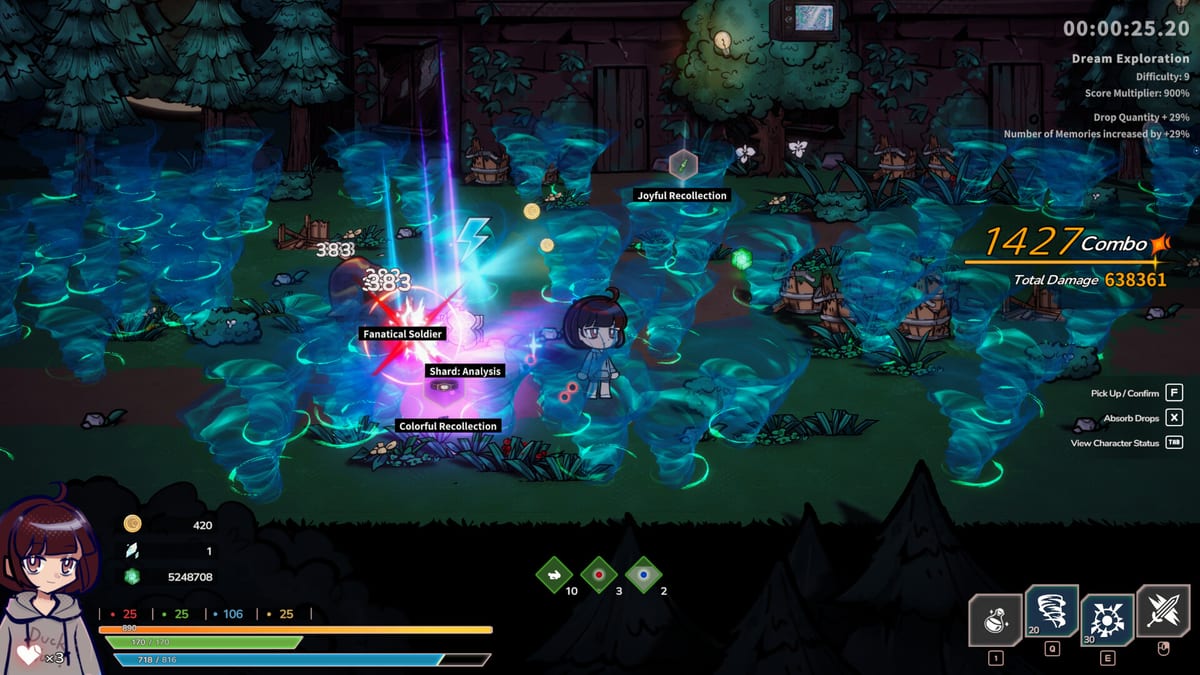
How to play DreamEcho is less about a quest log and more about respecting a loop. HotWaterStudio’s roguelite ARPG (Steam app 3226060, released August 10, 2026) asks you to explore dreams, assemble modular Concepts, wake with Memories, refine them at Home, and return stronger—sometimes after offline time quietly accrued more Memories. This page is the session manual that sits between Getting Started and the specialist guides.
The night cycle
Prepare at Home. Review which Concepts you can solidify quickly thanks to prior Memories. Set a single intention: “test chain projectiles,” “stabilize defensive melee,” or “try a small summon screen.” Intentions prevent aimless loot hypnosis.
Enter the dream. Fight, gather Concepts, and adapt. Because combinations are free-form, mid-run pivots are normal. If a shotgun-style spread modifier drops, you are allowed to rebuild on the spot.
Survive with readability. Your screen should tell a story: what kills packs, what keeps you alive, what is experimental junk. Unreadable kits make wake decisions worse.
Wake and record. Memories are the bridge. Record with care so the next dream starts closer to your intention. Skipping thoughtful recording is the fastest way to feel like every run is a coin flip.
Refine, then rest. Home refinement combines and strengthens. If you are done for the night, let offline accrual work while you are away. If friends are online, Memory exchange can supplement—but it never replaces learning combat yourself, and it is not multiplayer.
Combat fundamentals
DreamEcho combat is top-down ARPG slicing: position, pack control, and Concept synergy matter more than memorizing a twenty-step rotation. Modular blocks behave like skill gems with attitude—cores define the verb (fireball, strike, summon), modifiers change the grammar (spread, chain, duration, safety).
Practice these habits:
- Socket a clear damage verb before stacking three flashy modifiers.
- Keep at least one defensive or mobility layer.
- Rebind or relearn inputs via DreamEcho controls if your fingers fight the fantasy.
- After deaths, ask whether the Concept plan failed or your dream pacing failed (Dream runs guide).
Progress systems you must not confuse
| System | Role |
|---|---|
| Concepts | In-dream modular skills/modifiers |
| Memories | Meta progress captured on wake |
| Home | Refinement and preparation space |
| Offline accrual | Memories while you are logged out |
| Wish List | Shareable class/build lists |
Deep dives: Concepts guide, Memories meta guide, Dream Wish List guide.
Suggested session lengths
45 minutes: one focused dream + careful wake.
90 minutes: two dreams with a Home refinement between them.
Long grind nights: insert a checklist pass from Build checklist every other wake so sockets do not rot into chaos.
Controller users often prefer slightly shorter dreams with cleaner wakes; keyboard-mouse users sometimes overstay because inventory fiddling is fast. Neither style is wrong—just name your limit before you sleep.
Archetype touring without commitment
Play how-to-play as a tourist for three nights: one summon-leaning, one defensive melee-leaning, one ranged chaos-leaning. You are not locking a main; you are sampling the three archetypes reviewers keep naming. Implementation details live on the Builds Hub, especially Starter builds.
Sibling guide links
Keep Getting Started nearby for mindset, Concepts guide for socket logic, Memories meta guide for meta math, DreamEcho controls for inputs, Dream runs guide for pacing, and DreamEcho tips for polish. The Guides Hub is the index if you get lost.
Failure states that mean you are learning
Dying with a clear note (“spread without defense”) is success. Surviving with a kit you cannot explain is failure. Wish List browsing without ever testing a socket in a real dream is procrastination dressed as research. How to play DreamEcho well means closing the loop more often than you open new browser tabs.
When HotWaterStudio patches economy or Concepts, re-read Launch notes and adjust intentions—not your entire identity. The dream Home will still be waiting; your job is to return with a story worth recording.
Frequently Asked Questions
Quick answers to the most common DreamEcho questions.
What is the basic DreamEcho loop?
Prepare at Home, run a dream with Concepts, wake and record Memories, refine, then repeat—optionally after offline accrual.
Is there multiplayer gameplay?
No. Combat is single-player. Social features are Memory exchange and Wish List sharing.
How long should a beginner session be?
Start with one 45-minute dream plus a careful wake so Memory decisions stay sharp.
When do I specialize into an archetype?
After sampling summon, melee, and ranged fantasies; then use the Builds Hub to commit.